How to Choose the Best Smart Ring in 2026 (Compared)

Smart rings have become one of the most discreet forms of wearable electronics. Unlike watches and fitness bracelets, they have no screen to distract you. Instead, they collect health and activity data in the background and send it to an app on your phone.
The best smart ring for you depends on more than a sale price. You also need to consider sensors, phone compatibility, subscriptions, sizing, battery life, materials, reviews, and the retailer’s return terms.
This guide compares popular 2026 options and explains how to choose value over discount hype.
Smart ring comparison at a glance
| Smart ring | Best for | Typical battery | Subscription | Phone compatibility | Price tier |
|---|---|---|---|---|---|
| Oura Ring 4 | Sleep, recovery, and polished insights | 5–8 days | Required for full features; $5.99/month or $69.99/year in the U.S. | iOS and Android | Premium |
| Samsung Galaxy Ring | Samsung Galaxy users | Up to 7 days; charging case extends use | No separate ring membership stated | Designed around compatible Samsung Galaxy phones | Mid-to-premium |
| RingConn Gen 2 | Long battery life and no subscription | 10–12 days; case can extend use up to 150 days | None required | iOS 17+ and Android 10+ | Mid-range |
| Amazfit Helio Ring | Recovery and Amazfit watch users | Up to 4 days under stated default settings | No subscription required for core use; some insights may require Zepp Aura | iOS 14+ and Android 7+ | Value-to-mid-range |
Prices, availability, software features, and return terms can change by country, finish, promotion, and retailer. Always check the product page before ordering.
1. Start with the sensors you actually need
Smart rings use several small sensors to estimate health and wellness trends. More sensors do not automatically mean a better product. The important question is whether the ring measures information you will use.
Optical PPG sensors
Photoplethysmography, usually called PPG, uses light to estimate blood flow. It is commonly used for:
- Heart rate
- Resting heart rate
- Heart rate variability, or HRV
- Workout and recovery trends
- Respiration estimates
Oura Ring 4 uses green and infrared LEDs for heart rate, HRV, and respiration data. Samsung Galaxy Ring uses an optical bio-signal sensor for heart monitoring. RingConn and Amazfit also use optical sensors for heart-related measurements.
Blood oxygen sensors
Red and infrared LEDs can estimate blood oxygen saturation, often shown as SpO₂. This is commonly used for sleep and breathing trends.
RingConn Gen 2 lists continuous blood oxygen monitoring among its health features. Oura includes blood oxygen sensing as part of its membership features, while Amazfit Helio Ring supports blood oxygen tracking through the Zepp app.
These readings are wellness information, not a medical diagnosis. If you have health concerns, speak with a qualified professional.
Temperature sensors
Temperature sensors track changes in skin or body temperature trends. They can support:
- Sleep and recovery insights
- Menstrual cycle tracking
- Signs of changes in routine
- Readiness scores
Temperature data is most useful when the ring is worn consistently. A few nights of readings will not tell you as much as several weeks of personal trends.
Motion sensors
Accelerometers detect movement, steps, and sleep activity. Some rings also include gyroscopes to improve movement tracking.
These sensors help identify activity, rest periods, and sleep stages. They are also useful when a ring automatically recognizes walking or running without requiring you to start a workout manually.
EDA sensors
Electrodermal activity, or EDA, measures changes in skin conductance related to sweat responses. Amazfit Helio Ring uses EDA alongside HRV to support stress and emotional-state insights.
EDA can be interesting for people who want stress tracking, but it should not be treated as a direct measurement of your emotions. It is one signal among several.

2. Check phone compatibility before comparing features
A smart ring is only useful if its app works well with your phone.
Oura Ring 4 supports both iOS and Android and integrates with more than 40 apps. It is a flexible choice if you switch between phone brands or use Apple Health and other wellness services.
RingConn Gen 2 supports iOS 17 or later and Android 10 or later. It is a strong option for shoppers who want broad compatibility without a required subscription.
Amazfit Helio Ring works with iOS 14 or later and Android 7 or later through the Zepp app. It makes the most sense if you already own an Amazfit watch and want your watch and ring data in one place.
Samsung Galaxy Ring is built around the Samsung Galaxy ecosystem. Samsung’s health and Galaxy AI features require compatible Samsung phones, a Samsung account, and the Samsung Health app. If you use an iPhone, confirm compatibility carefully before buying.
Never assume that a ring will work simply because it connects through Bluetooth. Check the required operating system, app, account, and phone brand.
3. Understand subscription costs
The purchase price is only part of the cost.
Oura Ring 4 is a good example of a premium ring with an ongoing membership. Oura lists membership at $5.99 per month or $69.99 per year in the United States. The membership unlocks detailed sleep analysis, stress, readiness, blood oxygen, reports, and other advanced insights.
RingConn Gen 2 states that its health monitoring is included with no subscription. Samsung Galaxy Ring also does not list a separate ring membership, although Samsung account and app requirements apply.
Amazfit Helio Ring does not require a subscription for core ring use. However, some advanced readiness and coaching features may require Zepp Aura. That makes it important to separate “no mandatory ring subscription” from “every software feature is free.”
If you dislike recurring fees, compare the three-year ownership cost instead of comparing only the checkout price.
4. Prioritize fit and comfort
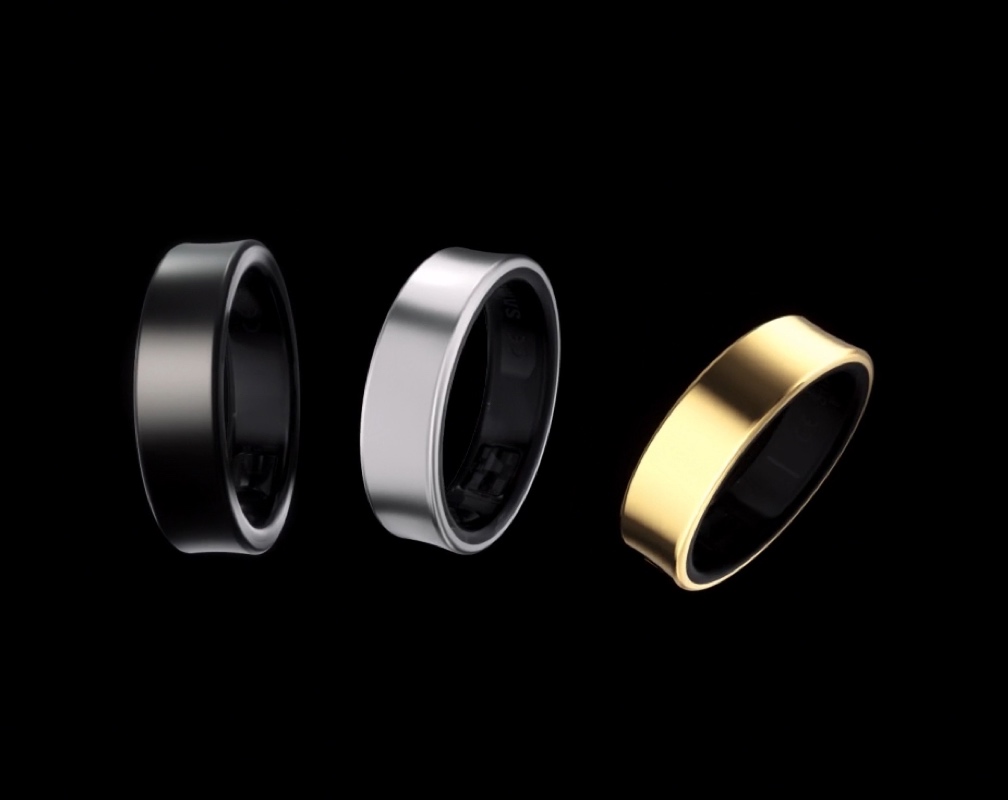
Sizing is one of the most important parts of choosing a smart ring. Smart-ring sizes may differ from regular jewelry rings and from one brand to another.
Look for a sizing kit whenever possible. Samsung recommends wearing a sample ring for more than 24 hours, including overnight. RingConn also recommends testing the sizing ring for at least 24 hours because fingers can swell or shrink throughout the day.
A good fit should be:
- Secure without feeling tight
- Comfortable over the knuckle
- Stable during sleep and movement
- Easy to remove when needed
- Positioned with the sensors against the palm side of the finger
The index, middle, and ring fingers are commonly recommended. Avoid choosing a size based only on a measurement taken once in the morning.
Also consider width and weight. Oura Ring 4 is 7.9 mm wide and weighs approximately 3.3–5.2 grams. RingConn Gen 2 lists a 6.8 mm width, 2 mm thickness, and 2–3 gram weight. Amazfit Helio Ring is 8 mm wide, 2.6 mm thick, and less than 4 grams.
A ring that feels slightly less impressive on paper but is comfortable enough to wear every night is usually the better value.
5. Compare battery life realistically
Battery claims depend on ring size, settings, activity, sensor frequency, age, and software features.
- Oura Ring 4: Typically 5–8 days
- Samsung Galaxy Ring: Up to 7 days, with the charging case extending total use
- RingConn Gen 2: 10–12 days, with a charging case advertised to extend use significantly
- Amazfit Helio Ring: Up to 4 days under the manufacturer’s stated default settings
Long battery life matters because missing several nights can weaken your personal trends. On the other hand, a ring that charges quickly may be perfectly practical if you top it up while showering or working at a desk.
Look at charging accessories too. A compact charging case is useful for travel, while a ring-specific dock is simpler for home use.

6. Consider materials and everyday durability
Titanium is common in premium smart rings because it is lightweight, strong, and comfortable for many users.
- Oura Ring 4 uses titanium inside and out, with PVD or DLC coatings depending on the finish.
- Samsung Galaxy Ring uses a titanium frame and offers scratch-resistant finishes.
- RingConn Gen 2 uses aerospace-grade titanium alloy, PVD coating, and medical-grade epoxy resin.
- Amazfit Helio Ring uses a titanium alloy outer ring with a resin inner ring.
Water resistance is also important. Oura Ring 4 is rated to 100 meters. Samsung Galaxy Ring carries 10ATM and IP68 ratings. RingConn Gen 2 lists IP68 water resistance, and Amazfit Helio Ring lists 10ATM.
Water resistance does not mean you should wear every ring in a sauna, hot tub, or while diving. Follow the manufacturer’s care instructions.
7. Read reviews and policies before chasing a sale
An online shopping deal is only a deal if the product fits your needs and can be returned if something goes wrong.
Before buying, read verified reviews for recurring complaints about:
- Bluetooth pairing
- Battery decline
- App reliability
- Delayed shipping
- Sizing problems
- Scratches and coating wear
- Customer service
Review the retailer’s shipping and returns policy before opening or wearing the ring. Confirm whether sizing kits, sale items, opened electronics, or personalized orders have different terms.
Resale is another consideration. Smart rings can be harder to resell than watches because sizing is personal, batteries are sealed, and many models require account transfers or app unpairing. If you sell one later, remove your data, unpair the device, and check whether the manufacturer supports trade-ins.
Which smart ring is the best value in 2026?
Choose Oura Ring 4 if you want a polished app, detailed sleep insights, and you accept the membership cost.
Choose Samsung Galaxy Ring if you already use a compatible Samsung Galaxy phone and want close integration with Samsung Health.
Choose RingConn Gen 2 if long battery life, broad phone compatibility, and no required subscription are your priorities.
Choose Amazfit Helio Ring if you want recovery-focused tracking and already use Amazfit watches or the Zepp ecosystem.
The best value is not always the lowest price. It is the ring you will wear consistently, understand easily, and keep using after the excitement of the discount ends. For more ideas across smart electronics, watches, bracelets, and other gifts, visit our holiday 2026 gift guide. You can also browse affordable premium products through our discount online department store or join for a free membership.
Smart ring FAQ
Do smart rings need a subscription?
Some do. Oura requires a paid membership for its full set of insights. RingConn includes core features without a subscription, while Samsung Galaxy Ring does not list a separate ring membership. Amazfit provides core use without a subscription, but certain advanced services may cost extra.
Are smart rings worth it?
They can be worth it if you want passive sleep, recovery, heart-rate, temperature, or activity trends and will wear the ring regularly. They may not be worth it if you want a screen, built-in GPS, notifications, or detailed live workout controls. A smartwatch may be better for those needs.
How do I size a smart ring?
Use the brand’s sizing kit whenever possible. Wear the sample for at least 24 hours, including overnight, and make sure it is secure but comfortable. Do not assume your standard jewelry size will transfer directly.
Can I wear a smart ring with a traditional ring?
Usually, yes, but comfort depends on the width and shape of both rings. Wear them together during the sizing test. Leave enough room for normal finger swelling, and avoid combinations that rub against the sensors or make removal difficult.